Best Solar Generator: Best Portable Power Guide
The best solar generator balances battery capacity, safe output, fast charging, portability, and long-term value.
A power outage can turn a normal day into a real problem. Your lights go out, phones lose power, food may spoil, and small medical or work devices may stop. A solar generator gives you a quiet backup without gasoline, fumes, or engine noise. I compared five strong options for home backup, camping, RV use, and emergency power. These models cover a wide range, from a compact 292Wh unit to a large 3584Wh home backup system. See the differences between my top picks at a glance.
Jackery HomePower 3600 Plus
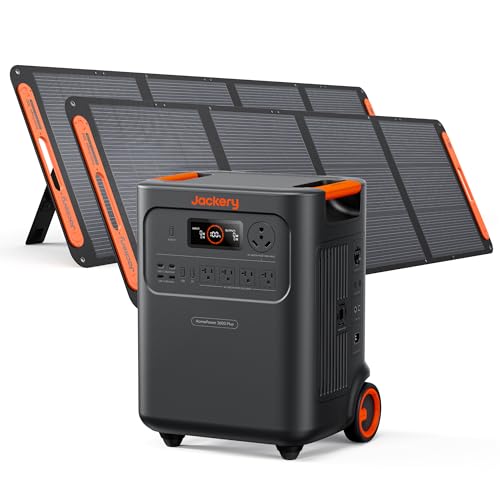
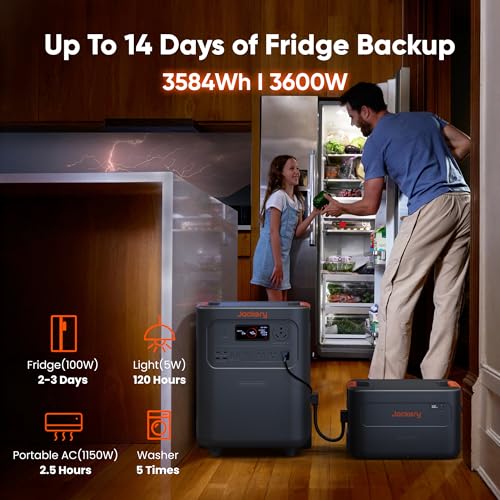
The Jackery HomePower 3600 Plus is the most capable option in this group. It pairs a 3584Wh lithium iron phosphate battery with 3600W of AC output. That combination gives you enough stored energy for important home devices, not just phones and lamps. The package also includes two 200W solar panels, so you can recharge away from the grid.
I like the LFP battery chemistry for a home backup unit. LFP batteries are known for good cycle life and strong thermal stability when used and stored as directed. The system can also expand to 21kWh, which makes it more useful for longer outages. Still, buyers should check the full installation details before connecting it to home circuits or sensitive equipment.
Pros:
- Large 3584Wh capacity for extended backup
- Strong 3600W AC output for many household loads
- LFP battery design suited to frequent use
- Includes two 200W solar panels
- Expandable up to 21kWh according to the product listing
- Useful for home emergencies, RVs, and off-grid work
Cons:
- Large capacity also means a heavier and less portable system
- Higher purchase cost than compact solar generators
- Solar charging speed depends on sunlight, panel angle, and weather
What Amazon Buyers Are Saying
Buyer feedback for large home power stations often focuses on easy setup, clear display information, and peace of mind during outages. Owners also tend to value the included solar panels because they can start building an off-grid charging plan without buying every part separately. For a system this large, buyers commonly pay close attention to delivery, weight, cable storage, and the space needed for operation.
Some owners may find that a large battery does not replace a full home electrical system. High-draw appliances can use stored energy quickly, and solar input changes with the weather. Before purchase, I would read the latest Amazon reviews for delivery condition, app or display use, charging behavior, and customer service. Those details can vary with updates and individual setups.
My Recommendation
I recommend the HomePower 3600 Plus for homeowners who want serious backup power and may need more capacity later. It is more than most campers need, but it makes sense for refrigerators, work equipment, lights, routers, and other essential loads. It is worth considering if you want a high-output solar generator and have room for a larger system.
Jackery Solar Generator 1000 v2

The Jackery Solar Generator 1000 v2 hits a useful middle ground. It offers a 1070Wh battery and 1500W AC output in a size that suits camping, RV trips, and home emergencies. The included 200W solar panel gives you a practical way to recharge it outdoors. It also includes a 100W USB-C output for newer phones, tablets, laptops, and other USB-C gear.
The listing highlights one-hour fast charging, but charging time can change with the power source and battery level. Its LFP battery should appeal to users who want a modern battery platform for repeated use. The 1500W output can handle many small appliances, but I would check each device’s running and startup wattage first. That step matters for heaters, coffee makers, pumps, and tools.
Pros:
- Useful 1070Wh capacity for medium-sized backup needs
- 1500W AC output handles many common portable devices
- Includes a 200W solar panel
- 100W USB-C output supports fast charging for compatible devices
- LFP battery chemistry offers a strong cycle-life profile
- More portable than large home backup models
Cons:
- It cannot run large appliances for long periods
- Solar charging depends on clear sun and panel placement
- High-wattage devices can drain the battery quickly
What Amazon Buyers Are Saying
Common buyer themes for this class of Jackery unit include simple controls, useful portability, and enough power for camping or short outages. Many shoppers also look for steady charging from wall power and convenient ports for small electronics. The included panel can be a helpful bonus for buyers who want a ready-to-use solar kit.
The most important complaints to watch for in current reviews involve real battery runtime, fan noise under load, and the gap between advertised output and the needs of a specific appliance. Those points do not mean the unit is poor; they show why wattage planning matters. I suggest checking recent reviews and measuring your key devices before ordering.
My Recommendation
This is my favorite balanced choice for many households. The Jackery 1000 v2 has enough capacity for useful emergency power without the bulk of a large home battery. I would choose it for weekend camping, RV travel, internet equipment, lights, laptops, and short blackouts.
Jackery Solar Generator 300

The Jackery Solar Generator 300 is the compact pick in this review. Its 292Wh battery and 300W AC output suit phones, cameras, small lights, routers, and other low-power gear. The package includes a 40W solar panel, which keeps the kit simple for travel. It also uses a pure sine wave AC outlet, a useful feature for many sensitive electronic devices.
This is not a mini home power station for large appliances. It works best when you match it with devices that draw modest power and when you need short periods of backup. Its small size makes it easier to carry in a car, tent, or RV. For emergencies, it can keep communication devices and basic lighting ready, but it will not provide the endurance of the larger models here.
Pros:
- Compact size for travel, camping, and emergency kits
- Pure sine wave AC outlet
- Includes a 40W solar panel
- 300W output suits many small electronics
- Simple choice for phones, cameras, lights, and routers
- Usually easier to store than larger power stations
Cons:
- 292Wh capacity is limited for long outages
- 300W output will not run most high-draw appliances
- The 40W panel charges more slowly than larger solar panels
What Amazon Buyers Are Saying
Buyers who choose a compact solar generator often praise easy transport and simple use. Small units can work well for outdoor photography, road trips, camping lights, and phone charging. Owners also tend to like having an AC outlet instead of relying only on USB ports.
The common limitation is runtime. A buyer may expect a small power station to run a large device, then feel disappointed when the battery falls quickly. I would view this model as a portable electronics and light-duty backup unit. Check recent customer reviews for the devices people used and compare those examples with your own power needs.
My Recommendation
I recommend the Jackery Solar Generator 300 for people who value low weight and easy storage. It is a good starter kit and a sensible travel companion. It is not my first choice for home backup, but it may be the best solar generator for phones, lights, cameras, and small electronics.
Anker SOLIX C1000 Gen 2
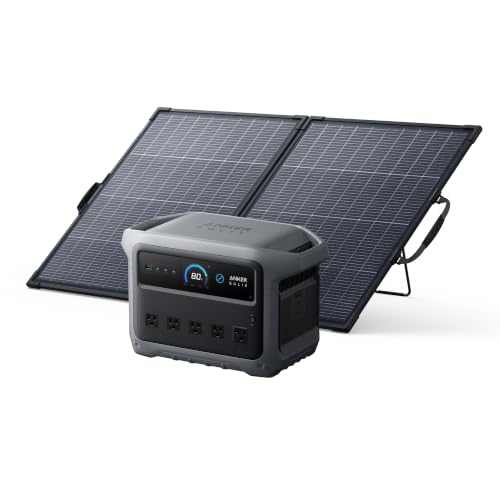
The Anker SOLIX C1000 Gen 2 brings strong output to a medium-size power station. It has a 1024Wh LFP battery and 2000W rated output. The product listing also states up to 3000W output, which can help with certain higher-startup loads when the feature and device are compatible. A 200W solar panel comes with the package.
This model stands out for users who want more output headroom than a typical 1000Wh unit. That can help with tools, small appliances, and work gear, but it does not change the battery’s stored energy. A 2000W load still uses energy fast. I would choose this unit when output flexibility matters as much as portability.
Pros:
- 2000W rated output for a wide range of portable loads
- Up to 3000W output stated in the product listing
- 1024Wh LFP battery
- Includes a 200W solar panel
- Good fit for home, outdoor, and UPS-style use
- More output headroom than many compact power stations
Cons:
- High-power loads can use the 1024Wh battery quickly
- Large output capability may come with more weight and cost
- Buyers should confirm which devices work with the higher-output mode
What Amazon Buyers Are Saying
Customer interest in the SOLIX C1000 Gen 2 centers on its strong output, compact capacity class, and flexible use. Buyers often look for a unit that can support both outdoor equipment and home electronics. The included panel also makes the package more appealing for people who want solar charging from day one.
As with any power station, customer experiences can differ based on load, charging source, and climate. Some buyers may focus on fan activity during heavy use, while others may care more about the screen, ports, or recharge time. I recommend checking current Amazon feedback for the latest firmware, accessories, and support experience before buying.
My Recommendation
The Anker SOLIX C1000 Gen 2 is a strong choice for buyers who need high AC output in a mid-size system. I would pick it for tools, outdoor work, emergency electronics, and users who want more output room than the Jackery 1000 v2. It earns a high score, but always match the battery size to your expected runtime.
Jackery HomePower 3000

The Jackery HomePower 3000 is built for serious backup without reaching the size of the HomePower 3600 Plus. It provides a 3072Wh LFP battery, 3600W AC output, and a stated 7200W surge rating. The package includes two 200W solar panels. This makes it suitable for essential home loads, RV use, and longer emergency events.
The key difference between this model and the larger HomePower 3600 Plus is stored energy and expansion information. A 3072Wh battery still offers a lot of useful capacity, but it may not last as long under the same load. The 3600W output gives plenty of room for many appliances, though startup demands need careful checking. I would treat this as a home-focused system rather than a casual camping battery.
Pros:
- Large 3072Wh LFP battery
- 3600W AC output
- 7200W surge rating stated in the product listing
- Includes two 200W solar panels
- Useful for outages, RVs, and essential home equipment
- More stored energy than most portable mid-size units
Cons:
- Bulky compared with travel-focused power stations
- Higher price than small solar generator kits
- Appliance runtime still depends on load and inverter losses
What Amazon Buyers Are Saying
Large solar generators attract buyers who want dependable access to power during outages. Common points of interest include battery size, output strength, panel setup, and whether the unit can support a refrigerator or work equipment. Buyers also tend to value clear controls and a package that includes the needed solar panels.
Large systems need realistic expectations. A refrigerator cycles on and off, while a heater or cooking appliance may draw power almost constantly. Buyers should review current feedback about transport, cable length, charging, and customer support. I also suggest making a list of essential devices before purchase rather than choosing only by the biggest wattage number.
My Recommendation
The HomePower 3000 is a good fit for buyers who want long runtime and high output but do not need the maximum expandable capacity of the HomePower 3600 Plus. It makes sense for home emergency planning and RV users. I would buy it over a small model when refrigerator support and longer backup matter most.
How to Choose Best Solar Generator
Choosing the Best Solar Generator starts with your actual power plan. Do not judge a unit by battery size alone. You also need to check output, solar input, ports, weight, battery type, and safe use. A small unit may be perfect for travel, while a large system may be better for a long blackout. The right choice gives you useful power without paying for features you will not use.
1. Match Battery Capacity to Runtime
Battery capacity appears in watt-hours, or Wh. In simple terms, a 1000Wh station stores more energy than a 300Wh station. Yet your real runtime will be lower than the printed number because the inverter and other parts use some energy.
Make a short list of the devices you want to run. Add their watt use, then estimate how many hours you need them. A 10W light uses about 10Wh in one hour. A 60W router uses about 60Wh in one hour. A heater, kettle, or microwave can use hundreds or thousands of watts, so it can drain a portable battery fast.
For phones and lights, a 292Wh model may be enough. For laptops, a refrigerator, and internet equipment during a short outage, the 1000Wh class offers more comfort. For multiple home devices or longer outages, look at 3000Wh or larger systems.
2. Check AC Output, Surge, and Port Types
Output tells you how much power the generator can deliver at one time. A 300W unit cannot safely run a 1000W appliance. Also check startup power. Motors in refrigerators, pumps, and some tools can need a short burst above their normal running wattage.
A pure sine wave inverter can provide clean AC power for many electronics. It is a useful feature in a portable power station, but it does not make every device suitable. Check the manual for your equipment. Then look at the ports you use most. USB-C, USB-A, AC outlets, and 12V ports each serve different needs.
Do not assume that a high surge number means unlimited appliance support. The battery still has a fixed amount of energy. The Best Solar Generator for a refrigerator may not be the best choice for a heater that runs for many hours.
3. Compare Solar Charging, Battery Life, and Total Value
Solar panels do not produce their full rating all day. Clouds, shade, heat, panel angle, and season affect solar input. A 200W panel may deliver less than 200W in real conditions. Place panels in open sun and follow the maker’s safety instructions.
LFP batteries are popular because they offer a useful balance of safety, stability, and cycle life. Still, proper storage matters. Avoid extreme heat and cold when possible. Keep the unit dry, use the supplied cables, and follow the charge and storage guidance in the manual.
Finally, compare the complete kit. A lower-priced power station may need separate panels, cables, or adapters. An included panel package can improve value and reduce setup work. Also consider warranty terms, return rules, weight, noise, display quality, and whether you can expand the battery later.
Final Verdict: Which Should You Buy?
For the strongest home backup, I would choose the Jackery HomePower 3600 Plus. For most people, the Jackery Solar Generator 1000 v2 offers the best balance of capacity, portability, and price.
The Best Solar Generator depends on your load. Choose compact power for travel, medium power for camping and outages, or a large LFP system for serious home backup.
FAQs Of Best Solar Generator
What is the best solar generator for home backup?
The Jackery HomePower 3600 Plus is the strongest home-focused pick here. It offers 3584Wh, 3600W output, included solar panels, and expansion potential.
How long can a solar generator run a refrigerator?
Runtime depends on the refrigerator’s average watt use, startup demand, battery size, and inverter losses. Check the refrigerator label and use a larger battery for longer backup.
Are LFP batteries good for solar generators?
Yes. LFP batteries offer good cycle life and thermal stability when used, charged, and stored as the manufacturer directs.
Can a solar generator power a house?
A solar generator can power selected devices, but it may not power every circuit. Use approved connections and consult a qualified electrician before connecting backup power to home wiring.
What size solar generator do I need for camping?
A 292Wh unit can suit phones, lights, and small electronics. Choose a 1000Wh-class model for laptops, longer trips, small appliances, or more devices.